Welcome to JenDore Tech Lab

Confused about cables, chargers, wattage, batteries, or everyday tech? You're in the right place. JenDore Tech Lab breaks technology down into plain language so you can understand what you need, what you don't, and how to use it safely.

  • Choose the Right Charger Wattage

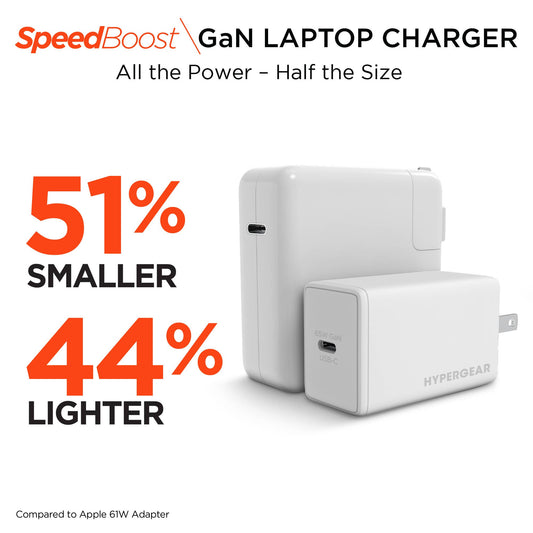
    Not sure whether you need a 20W, 30W, 45W, or 65W charger? Learn what the numbers mean and how to match the right power adapter to your phone, tablet, or laptop.

    Read the Wattage Guide 
  • Know When to Replace It

    Does your cable only work at an angle, charge slowly, or feel unusually hot? Learn how to tell whether the problem is your cable, wall adapter, charging port, or device.

    Check Your Charger 
  • Understand Your Batteries

    Alkaline, zinc-carbon, lithium, and rechargeable batteries may look similar, but they are made differently and designed for different jobs. See how the most common battery types compare.

    Explore Battery Types 

JenDore Tech Lab

Lithium battery safety guide covering charging, storage, damage warning signs and recycling

Lithium Battery Safety: How to Charge, Store an...

Learn how to recognize lithium battery damage, charge devices safely, prevent overheating and properly store or recycle used lithium-ion batteries.

Lithium Battery Safety: How to Charge, Store an...

Learn how to recognize lithium battery damage, charge devices safely, prevent overheating and properly store or recycle used lithium-ion batteries.

When Should You Replace Your Charger or Cable?

When Should You Replace Your Charger or Cable?

Has your phone stopped charging unless you hold the cable at a certain angle? Before you replace everything, let’s figure out what your charging setup is actually telling you. JenDore...

When Should You Replace Your Charger or Cable?

Has your phone stopped charging unless you hold the cable at a certain angle? Before you replace everything, let’s figure out what your charging setup is actually telling you. JenDore...

What's Really Inside a Battery? Understanding Battery Types and What They're Made Of

What's Really Inside a Battery? Understanding B...

What makes an alkaline battery different from a lithium-ion battery? JenDore Tech Lab explores the materials, uses, advantages, limitations, and safety requirements of today's most common battery types.

What's Really Inside a Battery? Understanding B...

What makes an alkaline battery different from a lithium-ion battery? JenDore Tech Lab explores the materials, uses, advantages, limitations, and safety requirements of today's most common battery types.

Welcome to JenDore Tech Lab: Technology Made Easier

Welcome to JenDore Tech Lab: Technology Made Ea...

Welcome to JenDore Tech Lab, JenDore's online destination for straightforward technology guides, product education, compatibility tips, and practical help for everyday devices.

Welcome to JenDore Tech Lab: Technology Made Ea...

Welcome to JenDore Tech Lab, JenDore's online destination for straightforward technology guides, product education, compatibility tips, and practical help for everyday devices.

What Charger Wattage Do You Need? A Simple Guide from JenDore Tech Lab

What Charger Wattage Do You Need? A Simple Guid...

Not sure whether you need a 20W, 30W, 45W, or 65W charger? JenDore Tech Lab breaks down charger wattage so you can choose the right power adapter for your phone,...

What Charger Wattage Do You Need? A Simple Guid...

Not sure whether you need a 20W, 30W, 45W, or 65W charger? JenDore Tech Lab breaks down charger wattage so you can choose the right power adapter for your phone,...

This Week's Tech Check

Think you know your everyday tech? Pick your answer before opening the Lab Answer.

Choose Your Answer

Your phone only charges when you bend the cable or hold it at a certain angle. What should you check first?

A. Replace the phone
B. Buy the highest-wattage charger available
C. Inspect and test the charging cable
D. Keep bending the cable until it works

Choose your answer before opening the next row.

Reveal the Lab Answer

The correct answer is C: Inspect and test the charging cable.

A cable that only works at a certain angle may have a damaged connector or internal wire. Stop bending it to make it work. Inspect the cable for fraying, exposed wires, discoloration, sharp bends, or a loose connector.

Test a known-good compatible cable with the same device. If the replacement works normally, the original cable is probably the problem.

What Should You Do Next?

  1. Stop using the cable if you see exposed wires, melting, burn marks, or other physical damage.
  2. Test a known-good cable that is compatible with your device.
  3. Check the charging port for visible lint, moisture, or damage.
  4. Never insert metal objects into the charging port.
  5. If several compatible cables have the same problem, the charging port may need professional inspection.

A little warmth during charging can be normal. Sparks, smoke, melting, a burning smell, or extreme heat are not normal. Disconnect the equipment safely and stop using it.

Explore Tech at JenDore®

Find chargers, cables, power banks, audio, batteries, and other everyday tech essentials online or at JenDore in Downtown Norfolk.

Quick Tech Tip

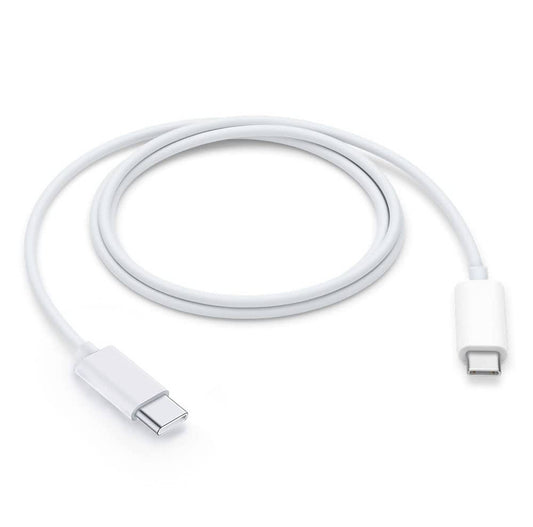
A USB-C connector tells you the shape of the connection—not automatically how fast the cable charges. Always check the cable's supported wattage and data capabilities.

What Should We Explain Next?

Vote for the technology topic you want me to break down in an upcoming JenDore Tech Lab guide.

Have a question about chargers, cables, batteries, power banks, or everyday technology? Send it to the Lab. Your question could inspire a future guide.